Map of Georgia with dots that indicate unmet housing needs
The Crisis

The Georgia Housing Crisis that Gets Little Attention

There is a “silent crisis” in housing for adults with intellectual and developmental disabilities (IDD). Rarely are individuals with IDD mentioned or included in discussions about those in need of affordable housing.

An estimated 250,000 individuals experience IDD in Georgia. Of these, 188,600 (75%) reside with a family caregiver.
For families who have spent decades building a life together in the community, this is a crisis hiding in plain sight, and it grows more urgent as caregivers age.
Aging Caregivers

Most Adults with IDD Rely on a Family Caregiver

Many family caregivers are willingly supporting their loved ones with IDD. However, this is not a sustainable solution. In Georgia, more than 40,000 people experiencing IDD live with a caregiver who is aged 60 or older. When a parent passes away or can no longer provide care, their loved one is at high risk for institutionalization or homelessness.
A person experiencing disability and their aging caregiver
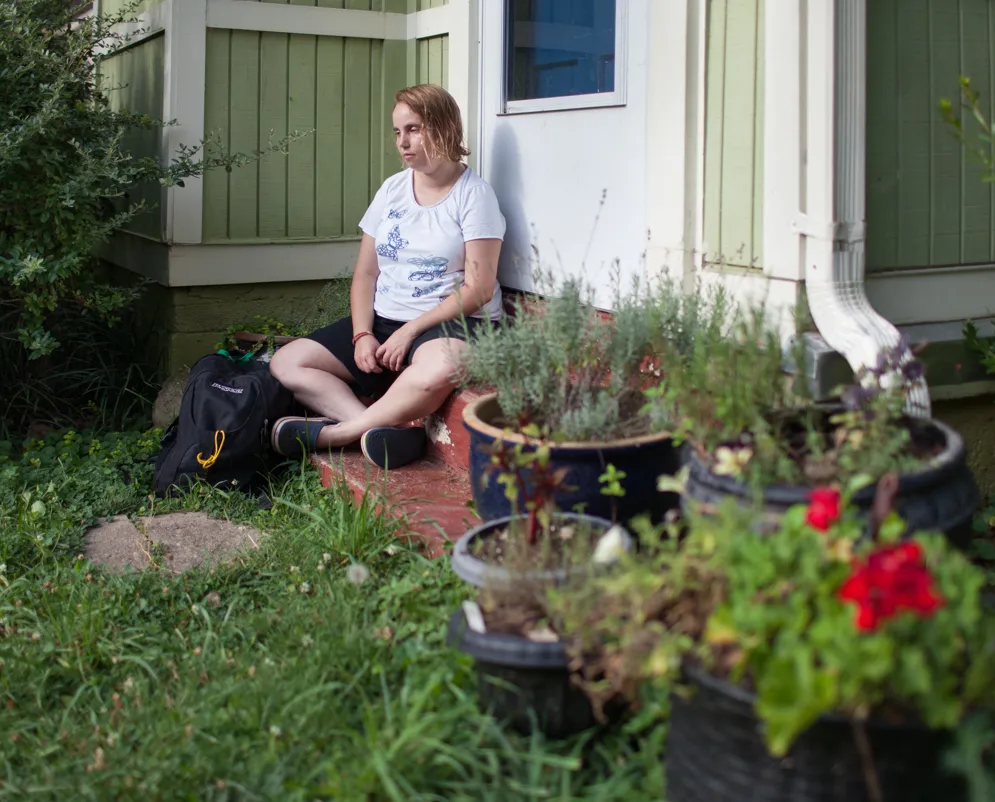
A young person sitting alone with their backpack
Isolation & Loneliness

A Housing Crisis With a Human Cost

Everyone deserves to feel included in a connected community, yet adults with disabilities often experience social isolation due to systemic barriers that hinder community participation. 85% of adults with developmental disabilities report feeling lonely most days. The health consequences are severe: chronic social isolation reduces life expectancy as much as smoking 15 cigarettes a day. For people with IDD, this isn't a side effect of disability; this is the direct result of a failed housing system that keeps them apart from the rest of the community. 
The Independence Gap

Housing Choice is a Matter of Dignity

Like everyone else, individuals with disabilities want to live as independently as possible in communities where they feel accepted and valued. Unfortunately, this is not reality. A recent study showed that 87% of autistic adults currently live with their parents, yet 78% say they want to live independently. Barriers to independent living include cost, access, supply, and discrimination.

Nearly one in three people with intellectual disabilities live below the poverty line, and only about one in four of working age are employed, making the current housing market inaccessible even when the will is there. The challenge of finding affordable, accessible, and inclusive housing widens the gap to independence for too many deserving individuals.
Two young women working on meal prep in a home
A NATIONAL CRISIS
Affordable housing is a challenge for millions of Americans, but for people with disabilities, the shortage is far more severe.

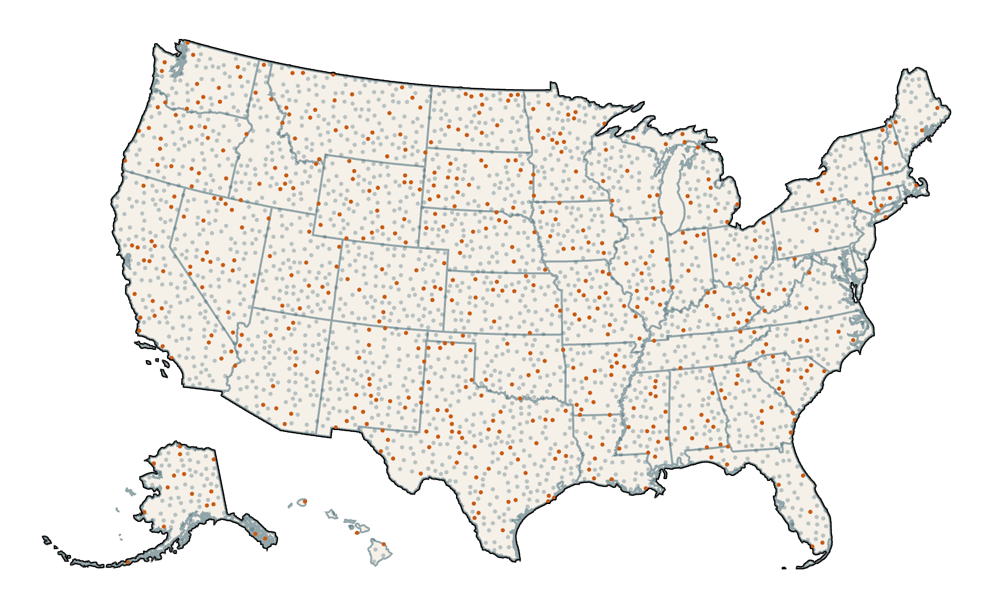
Nationwide, there are over 61 million Americans with disabilities who don’t have their basic housing needs met.

Map of the US with dots that indicate unmet housing needs
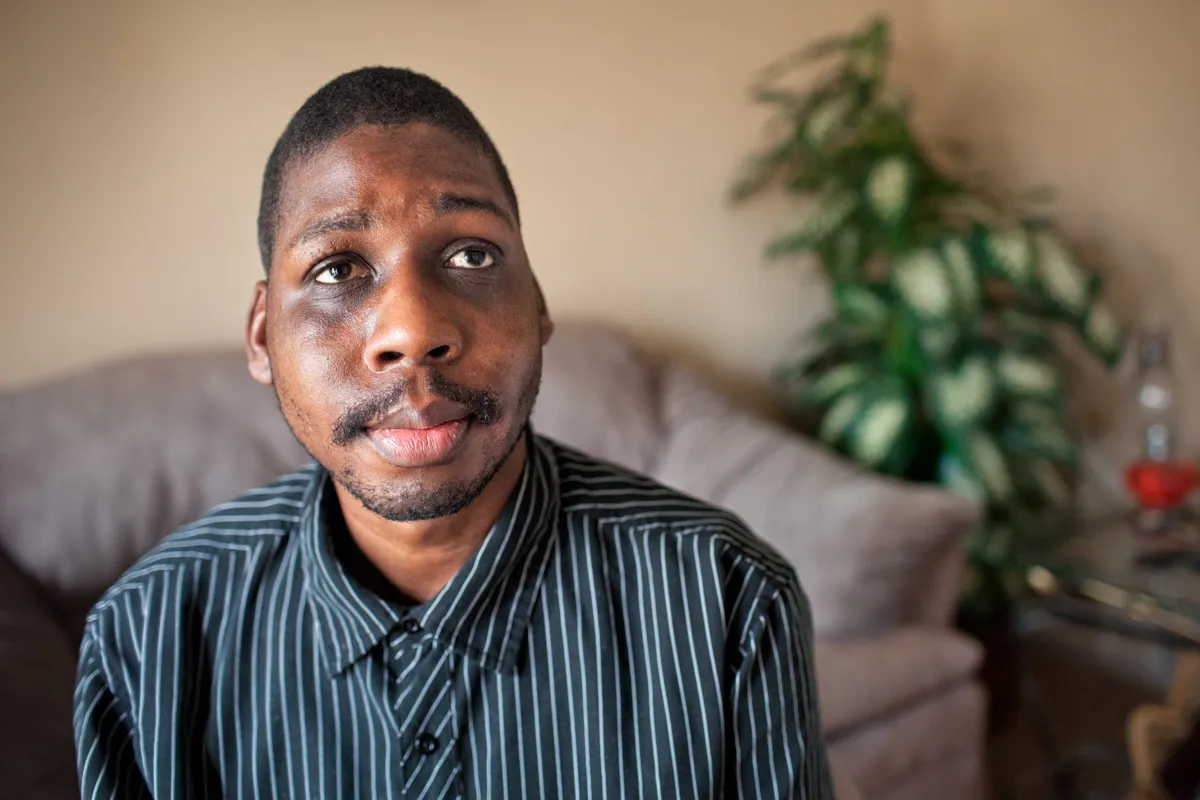
A person who is experiencing disability  in a living room
Stories from our Community

Behind every statistic is a real person

A young man who graduated high school but stayed in his childhood bedroom because there was nowhere else to go. A mother in her seventies still providing oversight and care, unsure of what will happen when she is gone. A woman working part-time, gaining confidence and with a clear vision of how she wants to live, but no path to get there. All are waiting for a system that hasn't caught up to them yet. 
“I need to live away from my family to concentrate on myself to shine. I am trying to get back to work. I want a cheap place to rent or a roommate situation. The barrier is not being able to afford rent easily. I need more support with socializing, too. I am currently stuck at home doing nothing. The only thing I enjoy is my two little dogs.”

- Cody, 29

"I go between my mom's house and my dad's house right now. I would like to someday share an apartment or house with my friends. We could keep each other company, exercise together, cook together and keep us safe together.  I want to be independent like my brothers and still go home and stay with mom and dad some weekends. It would be good to be near things since I can't drive but also be a safe area to walk. (It is) too expensive to be in a good safe area near the things I need."

- Emma, 33

"Hello, my name is Eric. I am 49 years old and have Cerebral Palsy. I graduated from college but have never been able to find a job due to my physical limitations. I enjoy music, reading, and meeting new people. Until four years ago I lived near Marietta Square, where I was a regular at a local coffee house and volunteered at a comedy club. When my father passed away, I moved in with my mother and stepfather. I would like to live in an inclusive community where people with and without disabilities are neighbors — somewhere I could get outside, socialize, and be part of daily life without depending on family for transportation and daily support. The barriers are real: I need help with meals, some daily living tasks, and getting around. No affordable, inclusive community like that exists near me. My parents won’t always be able to provide that support, and I am still searching for a clear path forward."

- Eric, 49